


Nutrition for cats / cat weight control
It’s a fact that FIT FELINES FACE FEWER HEALTH RISKS. Bottom line: A few extra pounds can make a huge difference and can place your cat at serious risk of major health problems.
Obesity in cats is rising at an alarming rate; 40% of pet cats in the U.S. are overweight. And just like in humans, obesity can be deadly causing secondary diseases that can threaten your cat’s life. Obesity can cause:
-
Heart disease
-
Diabetes
-
Liver disease
-
Lameness due to arthritis
-
Skin conditions (from not being able to groom properly)
-
Urinary tract infection (due to fat folds of skin collecting fecal debris and bacteria)
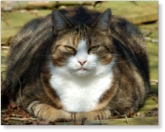
Good nutrition is important for kitty's health. Obesity in cats can be deadly.

Be on the lookout for sudden weight LOSS. Inexplicable weight loss in a kitty always signals a potential medical problem. Kitties that are losing weight should be seen immediately by a veterinarian.
Your cat’s health is directly linked to what goes into his/her body. Good nutrition
is one of the most important (and easiest) things you can do at home to keep
your kitty healthy.
Feed your cat an age- and lifestyle-appropriate high quality meat-based diet low in carbohydrates, such as Royal Canin or Wellness brands canned food. Canned food also contains moisture critical to your cat’s hydration. Dry food is fine occasionally or as a treat. Studies show that carbohydrates in a cat’s diet cause pancreatitis, inflammatory bowel disease and intestinal cancers. Plus studies suggest that cats fed a mostly dry food diet are more likely to become overweight. Since cats are carnivores, their intake of carbs should be very low. Ask your veterinarian for details, and for a list of low-carbohydrate foods.
Make sure kitty gets enough exercise!
Indoor cats are at increased risk of obesity due to an inactive lifestyle. Keep kitty active and in shape with frequent (daily) exercise. See
Simply the best cat toys to keep your kitty active and amused!
 Conduct your own body condition assessment at home. Watch our video:
 Is Fluffy just big-boned?
How to tell if your feline is too fat.
Is Fluffy just big-boned?
How to tell if your feline is too fat.
Click on the link above or scan the QR code with your smartphone to watch the video!
See your veterinarian to discuss fitness evaluations as part of your cat’s regular bi-annual exam. Also, consult your veterinarian before starting any type of weight loss program for your cat. Rapid weight loss can put stress on your cat’s liver, so a continuous, gradual weight loss plan is always best.